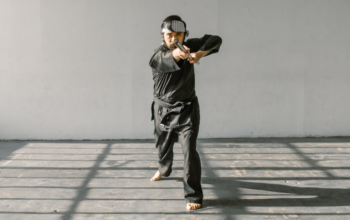
The question of what is the strongest martial art is a highly debated and subjective one, as strength can be defined in many different ways. Some may define strength as raw physical power, while others may define it as the ability to effectively apply techniques in real-world self-defense situations. There is no single martial art that can be considered the “strongest,” as each style has its own strengths and weaknesses, and the effectiveness of a given style will depend on a variety of factors, including the practitioner’s skill level, physical attributes, and personal preferences.
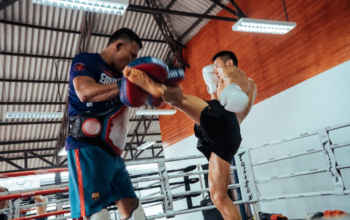
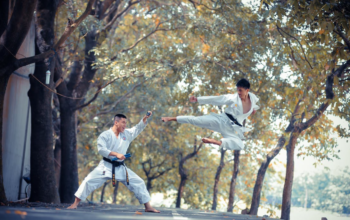
That being said, there are several martial arts that are widely regarded as being particularly effective in terms of raw physical power and striking ability. For example, styles such as Karate, Taekwondo, and Muay Thai are known for their powerful strikes and high-impact techniques. These styles place a strong emphasis on developing leg strength and explosive power, and often involve a great deal of kicking and striking techniques.
Another style that is often considered to be one of the strongest is Brazilian Jiu-Jitsu. While this style is often associated with grappling and ground fighting, it also involves a significant amount of striking, and is widely regarded as one of the most effective martial arts for self-defense. Brazilian Jiu-Jitsu places a strong emphasis on leverage and technique, and is designed to allow practitioners to effectively control and subdue an opponent, even if they are physically smaller or weaker.
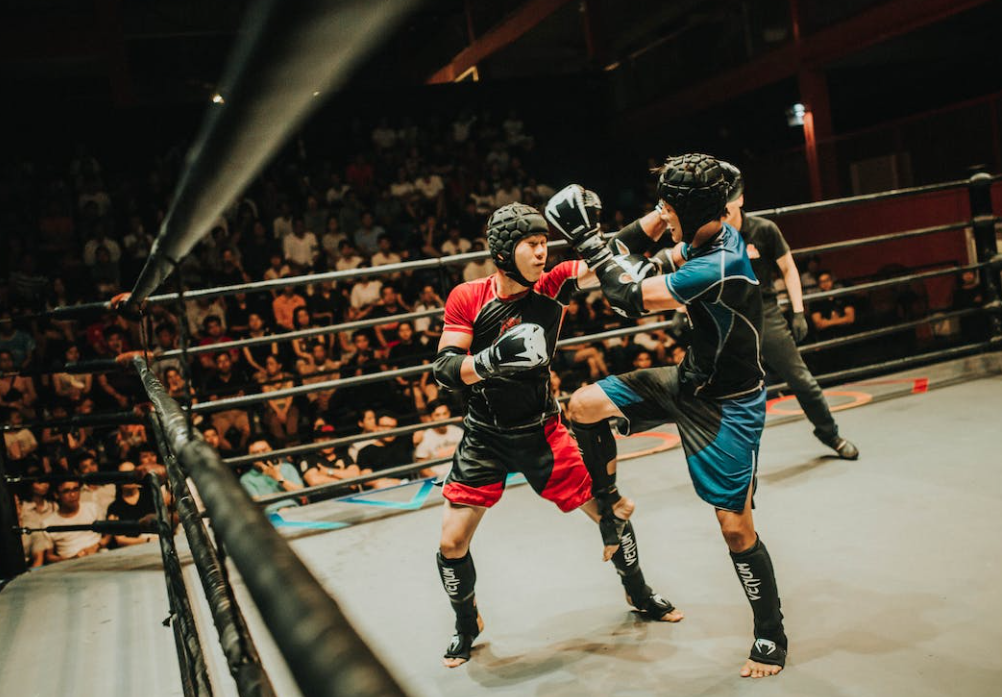
Mixed Martial Arts (MMA) is another style that is often considered to be one of the strongest, as it incorporates techniques from a wide range of martial arts, including striking, grappling, and submission techniques. MMA is a full-contact sport that allows practitioners to use a wide range of techniques, and is widely regarded as one of the most physically demanding and challenging martial arts.
It is worth mentioning that the strength of a given martial art will depend on many factors, including the practitioner’s skill level, physical attributes, and personal preferences. For example, a physically strong practitioner may find that a striking-based style such as Karate or Taekwondo is a good fit, while a smaller or less physically imposing practitioner may prefer a grappling-based style such as Brazilian Jiu-Jitsu or Judo.
It is also important to consider that strength in martial arts is not just about physical power and striking ability, but also about mental strength and discipline. Many martial arts styles place a strong emphasis on mental discipline and focus, and require practitioners to develop a strong will and unwavering spirit. This mental strength and discipline can be just as important as physical strength in terms of overall martial arts effectiveness.
For example, styles such as Kung Fu and Aikido are known for their focus on mental and spiritual development, and place a strong emphasis on the principles of peace, harmony, and self-control. These styles may not have the raw physical power of striking-based styles such as Karate or Taekwondo, but they can provide a deeper and more meaningful practice that can have a positive impact on all areas of life.
It is also worth mentioning that some martial arts styles are designed specifically for self-defense, while others are designed for sport or competition. For example, Krav Maga is a self-defense-focused style that is designed to be highly effective in real-world situations, while styles such as Judo and Taekwondo are designed primarily for sport and competition. When choosing a martial art, it is important to consider your personal goals and interests, and to select a style that aligns with these goals.
It is also important to mention that the strength of a given martial art can change over time, as techniques, training methods, and cultural influences evolve. For example, the striking techniques used in Taekwondo today may be different from the techniques used in the sport in the past, and the training methods used in Brazilian Jiu-Jitsu may have evolved to incorporate more strength and conditioning exercises. As a result, the relative strength of a given martial art can change over time, and it is important to stay informed about the latest developments and training methods in your chosen style.
Another important factor to consider is the individual practitioner’s level of training and experience. Even within a given martial art style, the strength of a practitioner can vary greatly depending on their level of training and experience. For example, a practitioner who has trained for several years in Brazilian Jiu-Jitsu may be much stronger than a beginner who has just started training in the same style. As a result, it is important to focus on personal growth and development, and to continually strive to improve your skills and abilities.
It is also worth mentioning that the effectiveness of a martial art will also depend on the individual practitioner’s training and dedication. No matter how strong a given martial art style is, if the practitioner is not training regularly and putting in the effort to improve their skills and techniques, they will not be able to reach their full potential.
Additionally, it is important to consider the role of the teacher or instructor in the effectiveness of a martial art. A skilled and experienced teacher can make all the difference in a practitioner’s development and progress, and can provide guidance, support, and motivation to help the practitioner reach their goals. When choosing a martial art style, it is important to consider not only the style itself, but also the quality of the teachers and training programs available.
There is no single martial art that can be considered the “strongest,” as strength can be defined in many different ways, and the effectiveness of a given style will depend on a variety of factors. That being said, styles such as Karate, Taekwondo, Brazilian Jiu-Jitsu, and MMA are widely regarded as being particularly effective in terms of raw physical power and striking ability. Ultimately, the “strongest” martial art will depend on the individual practitioner’s goals, preferences, and skill level, and it is important to choose a style that aligns with these factors.