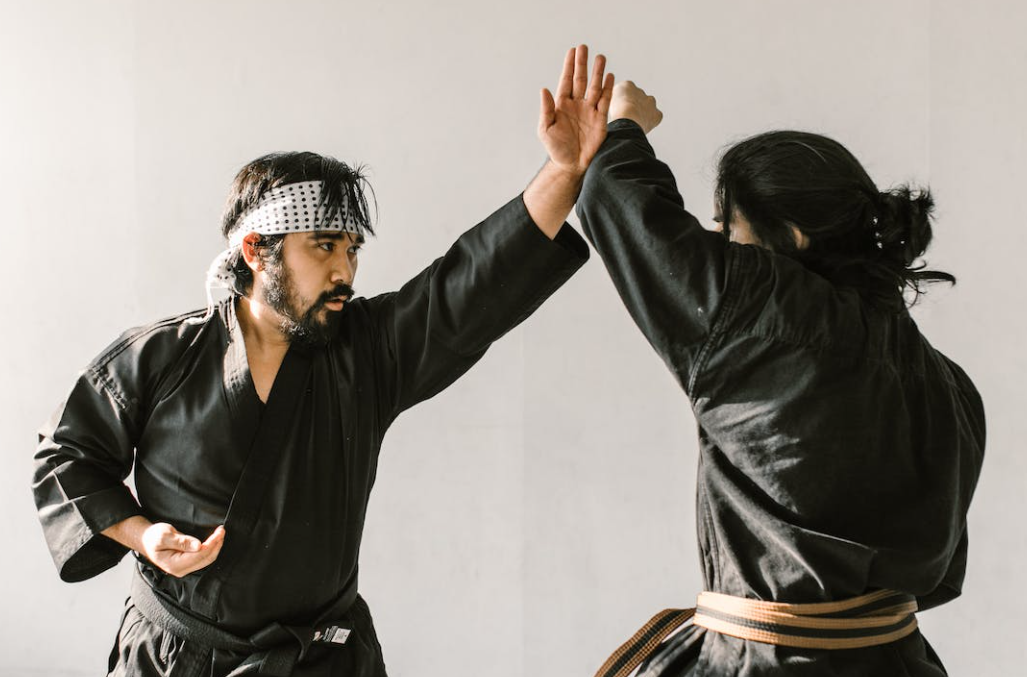
Martial arts is a practice that has been around for thousands of years, originating in various cultures and civilizations around the world. While the specific techniques and training methods of martial arts have varied throughout history, the underlying purpose of martial arts has remained relatively consistent.
At its core, the purpose of martial arts is to develop and improve the physical, mental, and spiritual aspects of the practitioner. Martial arts training is designed to help individuals become stronger, more flexible, and more coordinated, while also building mental discipline, focus, and self-confidence. Additionally, many martial arts styles incorporate philosophical or spiritual elements, which can provide a sense of purpose and fulfillment beyond the physical and mental benefits.
In terms of physical development, martial arts training is designed to help practitioners develop and improve their strength, flexibility, and coordination. This can be achieved through a variety of training methods, such as sparring, drills, and conditioning exercises. Additionally, many martial arts styles place a strong emphasis on body mechanics, which can help to improve posture, balance, and overall physical health.
Martial arts also has significant mental and emotional benefits. For example, the discipline and focus required in martial arts training can help to build self-confidence and self-esteem, and can provide a sense of accomplishment and personal growth. Additionally, martial arts can be a great way to relieve stress and manage anxiety, as the physical and mental demands of training can provide a welcome distraction from daily life.

Furthermore, many martial arts styles place a strong emphasis on ethical and philosophical principles, such as respect, humility, and self-control. These principles can provide a sense of purpose and direction for practitioners, and can help to build a strong moral and ethical foundation.
In addition to its physical, mental, and philosophical benefits, martial arts also has practical applications, particularly in the realm of self-defense. Martial arts training can help individuals develop the skills and confidence necessary to defend themselves in dangerous situations, and can provide a sense of safety and security.
It is important to note that not all martial arts styles place an equal emphasis on self-defense. Some styles may place more emphasis on sport and competition, while others may place more emphasis on spiritual or philosophical development. When choosing a martial art, it is important to consider your personal goals and interests, and to select a style that aligns with these goals.
It is also worth mentioning that martial arts can be a great way to build community and form lasting relationships. Many martial arts schools have a strong sense of community, with practitioners of all ages and skill levels coming together to train, support each other, and build lasting relationships. This community aspect of martial arts can be especially important for those who are new to a community or looking to build a supportive network of friends and mentors.
Another important aspect of the purpose of martial arts is to preserve cultural heritage and traditions. Many martial arts styles have deep roots in specific cultures and civilizations, and serve as a way to preserve cultural heritage and pass down traditions from generation to generation. For practitioners, participating in martial arts can provide a sense of connection to their cultural heritage, and can help to deepen their understanding and appreciation of their cultural roots.

It is worth mentioning that martial arts can be a great way to develop leadership skills and qualities. Martial arts training often involves working in teams and taking on leadership roles, such as leading drills or training exercises. Additionally, many martial arts schools have a strong emphasis on mentorship, with senior practitioners taking on the role of mentor and guide for newer practitioners. These leadership opportunities can help to develop skills such as communication, teamwork, and conflict resolution, which can be applied to all areas of life.
It is also important to mention that martial arts training can provide a sense of connection to a larger community. Many martial arts schools participate in local and international competitions, providing opportunities for practitioners to connect with others from different backgrounds and cultures. Additionally, many martial arts schools have a strong sense of community, with practitioners of all ages and skill levels coming together to train, support each other, and build lasting relationships.
Another important aspect of the purpose of martial arts is to promote physical and mental health. Martial arts training is designed to be physically and mentally demanding, which can help to improve overall health and well-being. For example, martial arts training can help to improve cardiovascular health, increase muscle strength and flexibility, and reduce the risk of chronic diseases such as heart disease, stroke, and diabetes. Additionally, the mental discipline and focus required in martial arts training can help to improve cognitive function, reduce stress and anxiety, and promote overall mental well-being.
It is also important to mention that martial arts can be a great way to develop self-awareness and self-understanding. Martial arts training often involves introspection and self-reflection, which can help practitioners to better understand their own strengths, weaknesses, and limitations. This self-awareness can lead to greater self-acceptance and self-confidence, and can help practitioners to live more fulfilling lives.
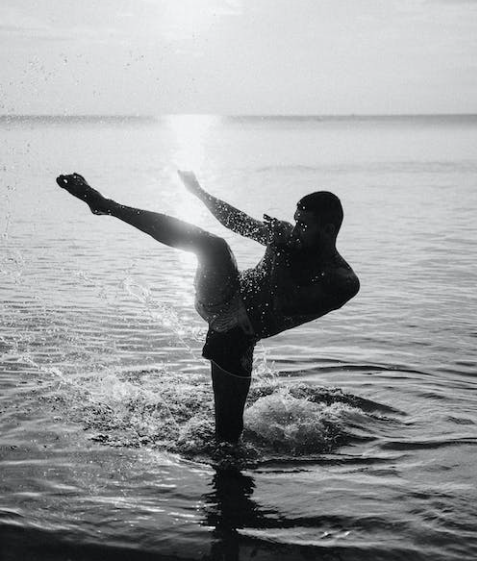
Finally, it is worth mentioning that martial arts can be a great way to develop a growth mindset and a positive attitude. Martial arts training often involves facing challenges and overcoming obstacles, which can help to develop a growth mindset and a positive attitude. This growth mindset and positive attitude can have a positive impact on all areas of life, from relationships and work, to school and community involvement.
In conclusion, the purpose of martial arts is to develop and improve the physical, mental, and spiritual aspects of the practitioner. Whether you are interested in improving your fitness, building self-defense skills, exploring your creativity and self-expression, or building a sense of community and purpose, martial arts has something to offer. With its rich cultural heritage and diverse array of styles and techniques, martial arts is a practice that can enrich your life in many ways, and provide a path for personal growth and development.