
Martial arts is a diverse and dynamic discipline that encompasses a wide range of techniques and principles. While each martial arts style may have its own unique characteristics, there are five key elements that are commonly found in most martial arts styles: form, technique, strategy, spirit, and discipline. In this article, we will explore each of these five elements in more detail and their role in martial arts.
Form: Form refers to the set of specific movements and techniques that are used in each martial arts style. Each form is unique to the particular style and represents a specific sequence of movements that are performed in a specific order. Forms are typically performed solo and are used to develop strength, flexibility, balance, and coordination, as well as to demonstrate the techniques of the particular style.

Technique: Technique refers to the specific movements and techniques used in each martial arts style. Techniques can include strikes, kicks, grappling, and weapons-based techniques, and are used to defend against an attacker. Techniques are typically learned through repetitive practice and training, and are designed to be effective in real-world self-defense situations.
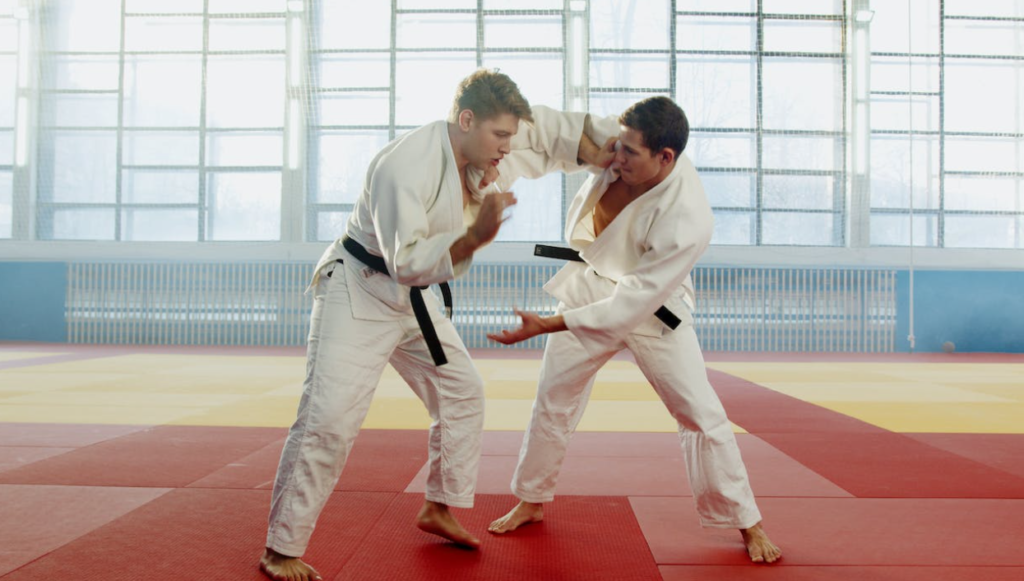
Strategy: Strategy refers to the tactics and techniques used to overcome an opponent in a self-defense situation. This includes using specific techniques and movements, as well as understanding the strengths and weaknesses of the opponent and the situation. Strategy is a critical component of martial arts and requires a combination of physical skill and mental preparation.

Spirit: Spirit refers to the mental and emotional aspects of martial arts, including focus, determination, and respect. This includes maintaining a positive and confident attitude, even in the face of adversity, and being respectful and courteous to others, both inside and outside of the martial arts community.

Discipline: Discipline refers to the dedication and commitment required to master the techniques and principles of martial arts. This includes regular training, following the guidelines and rules of the particular style, and demonstrating respect for the discipline and for oneself. Discipline is a critical component of martial arts and is essential for achieving mastery and success.

It is also important to note that each of these five elements is interconnected and interdependent. For example, the form in a martial arts style is the foundation for the techniques, and without proper form, the techniques may not be effective. Similarly, the spirit of martial arts is critical to the development of discipline and focus, and without a positive and determined spirit, it may be difficult to achieve mastery and success.
Each of these five elements also requires continuous practice and development. For example, a practitioner may master a specific form, but to fully understand and utilize the techniques within the form, they must continue to develop their skills through training and repetition. Similarly, a practitioner may have a strong spirit and determination, but without discipline and regular training, they may not be able to achieve their goals.
It is also important to note that the five elements of martial arts can be applied to different aspects of life outside of martial arts training. For example, the discipline and commitment developed through martial arts training can be applied to other areas of life, such as work, school, and relationships. Similarly, the spirit of martial arts, including focus and determination, can be applied to overcoming challenges and achieving personal and professional goals.
Furthermore, the five elements of martial arts can also help to promote personal growth and development. By focusing on form, technique, strategy, spirit, and discipline, individuals can improve their physical, mental, and emotional well-being, and develop skills and qualities that are valuable in all areas of life.
It is also worth mentioning that the five elements of martial arts can be interpreted and applied differently in different martial arts styles. For example, some martial arts styles may place a greater emphasis on form, while others may place a greater emphasis on technique or strategy. Additionally, some martial arts styles may have different interpretations of what constitutes spirit or discipline.
This diversity in the interpretation and application of the five elements of martial arts is part of what makes martial arts such a rich and dynamic discipline. By exploring different martial arts styles and how they interpret and apply the five elements, individuals can gain a deeper understanding and appreciation of the different approaches and philosophies within martial arts.
It is also important to note that the five elements of martial arts can evolve and change over time. As martial arts styles continue to develop and evolve, the interpretation and application of the five elements may also change. For example, new techniques and strategies may be developed, and the focus on certain elements, such as form or spirit, may shift.
This evolution and change within martial arts is part of what makes martial arts such a dynamic and exciting discipline. By embracing change and being open to new ideas and approaches, individuals can continue to grow and develop their martial arts skills and knowledge.
These are the five key elements of martial arts: form, technique, strategy, spirit, and discipline. Each of these elements is essential to the practice of martial arts and plays a critical role in the development of physical, mental, and emotional skills. Whether you are a beginner or an experienced practitioner, understanding and incorporating these five elements into your training can help to enhance your overall martial arts experience and achieve success.