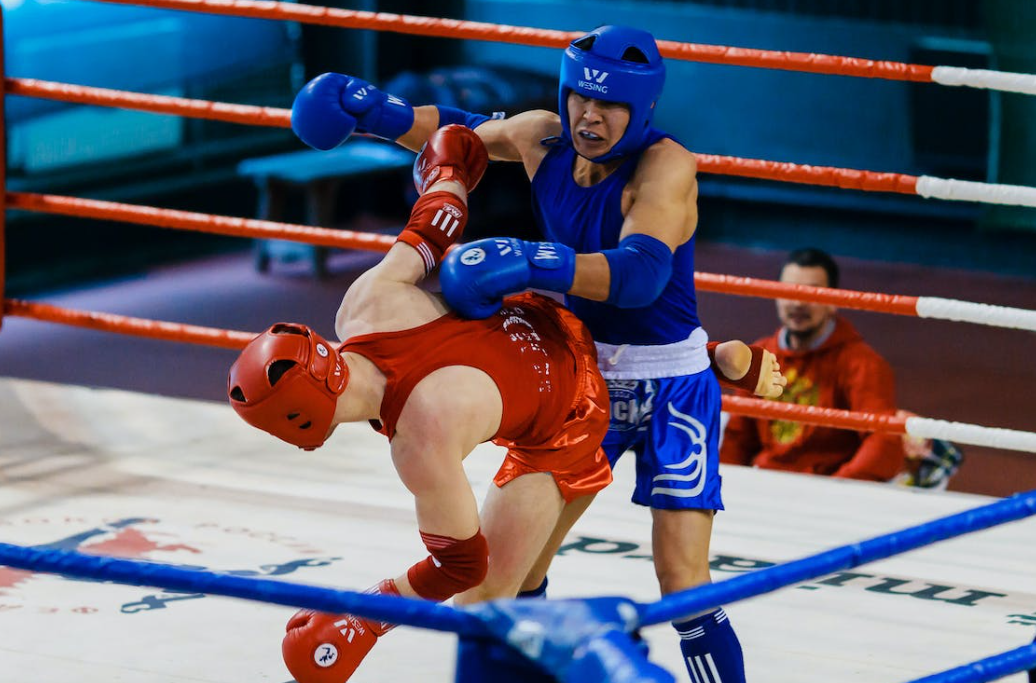
Hybrid Martial Arts, also known as Mixed Martial Arts (MMA), are dynamic combat disciplines that combine techniques from various traditional and contemporary martial arts styles. These arts have gained significant popularity, showcasing the synergy of different combat systems. In this article, we will explore the concept of Hybrid Martial Arts, examining its origins, characteristics, training methods, and the impact it has had on the world of combat sports.
Origins and Evolution
Hybrid Martial Arts have roots that can be traced back to ancient times when warriors would adapt and combine techniques from different fighting systems. However, the modern concept of Hybrid Martial Arts emerged in the 20th century as a result of cross-training and the desire to find the most effective fighting style. Pioneered by early MMA competitions like the UFC, Hybrid Martial Arts brought together practitioners from diverse backgrounds, testing their skills against each other.
Characteristics of Hybrid Martial Arts
Hybrid Martial Arts emphasize versatility, encompassing a wide range of techniques from striking, grappling, and submissions. These arts blend elements of traditional martial arts like Boxing, Muay Thai, Brazilian Jiu-Jitsu, Wrestling, Judo, and more. The focus is on developing a well-rounded skill set that allows practitioners to excel in both stand-up striking exchanges and ground-based grappling scenarios.
Training Methods and Techniques
Training in Hybrid Martial Arts involves a comprehensive approach that encompasses striking, grappling, and transitions between the two. Practitioners train in striking techniques such as punches, kicks, knees, and elbows, as well as grappling techniques like takedowns, throws, and submissions. Training methods include pad work, heavy bag training, sparring, grappling sessions, and conditioning exercises to enhance strength, speed, endurance, and agility.
Adaptive Strategies and Game Planning
Hybrid Martial Arts require fighters to develop adaptive strategies and game plans to effectively utilize their skills. This involves analyzing opponents, identifying strengths and weaknesses, and adjusting techniques accordingly. Fighters must be proficient in both offensive and defensive tactics, understanding how to counter various attacks and exploit openings. Effective game planning and strategy allow fighters to leverage their skills and gain a competitive edge.
Safety and Rules
Hybrid Martial Arts competitions have evolved to incorporate rules and regulations to ensure the safety of fighters. Weight classes, time limits, and referee oversight are implemented to maintain a controlled environment. Prohibited techniques, such as strikes to the back of the head or eye gouging, help protect fighters from severe injuries. These safety measures have contributed to the growth and acceptance of Hybrid Martial Arts as a legitimate combat sport.
Competitive Impact and Global Reach
Hybrid Martial Arts have had a profound impact on the world of combat sports. Prominent organizations like the UFC, Bellator MMA, ONE Championship, and others have popularized the sport globally, attracting millions of fans. These organizations host high-profile events featuring elite fighters from around the world, creating opportunities for athletes to showcase their skills, win titles, and achieve fame and recognition on a global scale.
Cross-Training and Martial Arts Unity
Hybrid Martial Arts promote cross-training and the unity of martial arts. Through the blending of techniques and the integration of different styles, Hybrid Martial Arts encourage practitioners to expand their knowledge and skills beyond the confines of a single discipline. This cross-training fosters respect, appreciation, and cooperation among practitioners of various martial arts, bridging the gaps between traditional and contemporary systems.
Personal Development and Fitness
Training in Hybrid Martial Arts offers numerous benefits beyond combat proficiency. Practitioners develop physical fitness, including strength, endurance, flexibility, and coordination. The mental aspect is equally important, as Hybrid Martial Arts cultivate discipline, focus, perseverance, and self-confidence. The pursuit of mastery in Hybrid Martial Arts contributes to personal growth, self-discovery, and the development of a warrior spirit.
Hybrid Martial Arts exemplify the harmony of different combat styles, fusing striking and grappling techniques into a cohesive and dynamic system. With their origins in cross-training and the desire for practical effectiveness, these arts have revolutionized the combat sports landscape. As Hybrid Martial Arts continue to evolve and captivate audiences worldwide, they represent the embodiment of the human quest for mastery, innovation, and the eternal pursuit of excellence.