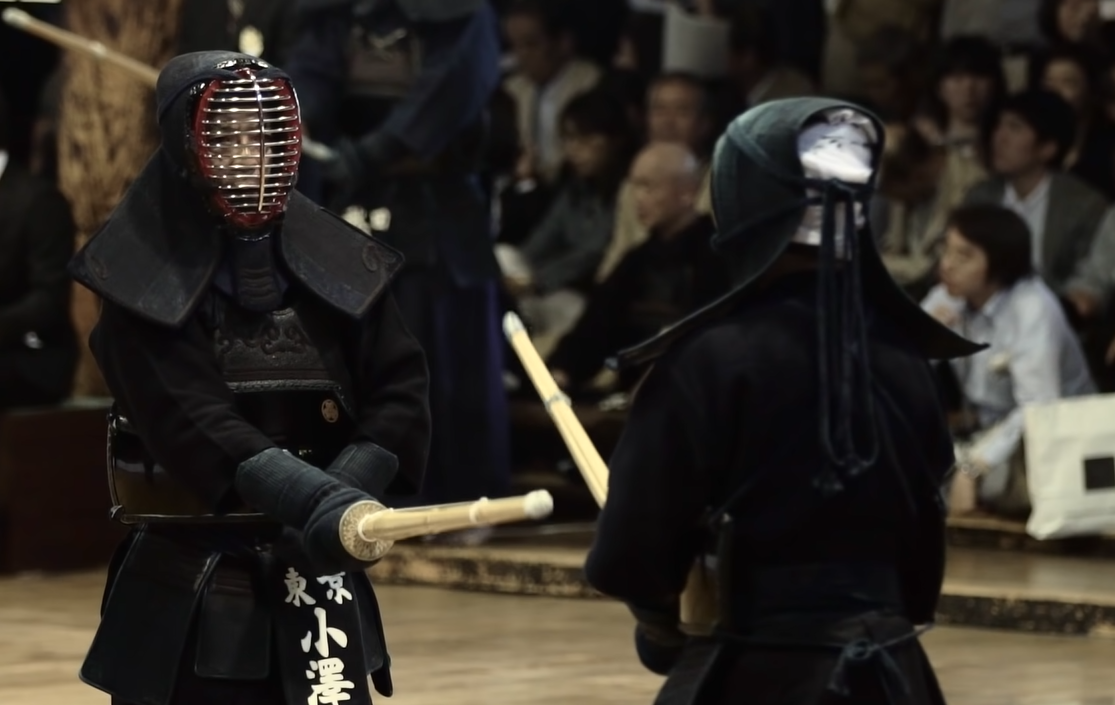
Kendo is a modern Japanese martial art that is primarily focused on the use of a bamboo sword, or shinai. It is one of the oldest and most widely practiced martial arts in Japan, with a history that spans hundreds of years.
The origins of Kendo can be traced back to the samurai warriors of feudal Japan, who developed a number of different martial arts as a means of defending themselves and their lords in battle. One of these martial arts was kenjutsu, which focused on the use of a real sword, or katana.
Over time, kenjutsu evolved into Kendo, which became a popular pastime among the samurai class in Japan. In the 17th and 18th centuries, Kendo competitions were held between different schools of swordsmanship, and the martial art continued to grow in popularity.
However, the popularity of Kendo declined in the early 19th century, as Japan entered a period of isolation from the rest of the world. During this time, the samurai class lost much of its influence and power, and many traditional martial arts fell out of favor.
It was not until the late 19th century that Kendo experienced a resurgence in popularity, as Japan began to modernize and open up to the rest of the world. In 1876, the Japanese government officially recognized Kendo as a martial art, and established a set of rules and regulations for its practice.
The modern form of Kendo that is practiced today is largely the result of these efforts to standardize and regulate the martial art. Kendo competitions were established, and the use of protective gear such as helmets and body armor was introduced to make the practice of Kendo safer.
In addition to its practical applications, Kendo also has a strong philosophical and spiritual component. The martial art emphasizes the importance of discipline, focus, and mental fortitude, and teaches practitioners to cultivate a sense of humility and respect for their opponents.
One of the most important aspects of Kendo is the concept of ki-ken-tai-ichi, or the unity of spirit, sword, and body. Practitioners of Kendo strive to achieve a state of perfect harmony between their mind, body, and spirit, which enables them to move and react with lightning speed and precision.
Another key element of Kendo is the use of kiai, or shouts, which are used to focus the practitioner’s energy and intimidate their opponent. The kiai is an important part of Kendo training, and is often used in conjunction with strikes and other techniques to create a sense of overwhelming force.
Today, Kendo is practiced by millions of people around the world, and is recognized as one of the most popular martial arts in Japan. The International Kendo Federation, which was established in 1970, now has member organizations in over 50 countries, and hosts international competitions and events on a regular basis.
Despite its widespread popularity, Kendo faces several challenges in the modern world. One of the biggest challenges is the lack of standardization and regulation in the practice of the martial art. Unlike many other martial arts, Kendo does not have a centralized governing body or standard curriculum, which can make it difficult for practitioners to receive proper training and certification.
Another challenge facing Kendo is the changing nature of modern warfare. While Kendo was originally developed as a means of combat training for samurai warriors, its practical applications in modern warfare are limited. As a result, the martial art has become more focused on sport and recreation, rather than on practical self-defense.
Despite these challenges, Kendo remains an important part of Japanese culture and heritage, and continues to be practiced by millions of people around the world. As efforts are made to promote and preserve the traditions of Kendo for future generations, it
is likely that the martial art will continue to thrive and evolve, and remain an important part of the global martial arts community.
One way in which Kendo is being preserved and promoted is through the establishment of Kendo schools and clubs. These organizations provide structured training and certification programs, and help to ensure that practitioners receive proper instruction and guidance in the practice of the martial art.
In addition to these traditional training methods, Kendo is also being promoted through new technologies and media. There are now numerous websites, forums, and online resources devoted to the study and practice of Kendo, and practitioners can access a wealth of information and training materials from the comfort of their own homes.
Another way in which Kendo is being preserved and promoted is through the efforts of cultural organizations and government agencies. In Japan, Kendo is recognized as a traditional art form, and efforts are being made to preserve and promote the martial art as part of Japan’s rich cultural heritage. The All Japan Kendo Federation, which was established in 1952, works to promote and standardize the practice of Kendo in Japan and around the world.
Overall, the history of Kendo is a rich and fascinating one that reflects the martial art’s deep cultural and spiritual roots in Japanese society. From its origins as a form of combat training for samurai warriors, to its development as a modern sport and recreational activity, Kendo has played an important role in shaping the culture and history of Japan.
Today, Kendo continues to thrive as a vibrant and dynamic martial art with a global following. As efforts are made to promote and preserve the traditions of Kendo for future generations, it is likely that the martial art will continue to play an important role in the cultural and sporting life of Japan and beyond.